When Sons of Anarchy roared onto FX screens in 2008, few could have predicted it would become one of the most successful cable dramas in history. By its final season, the show was averaging 5.5 million viewers per episode—the most in the network's history. But behind the leather cuts and revving engines lay a marketing machine as strategic as any SAMCRO operation. Here's what marketers can learn from how Sons of Anarchy built its empire.
Hook #1: Meet Your Audience Where They Ride
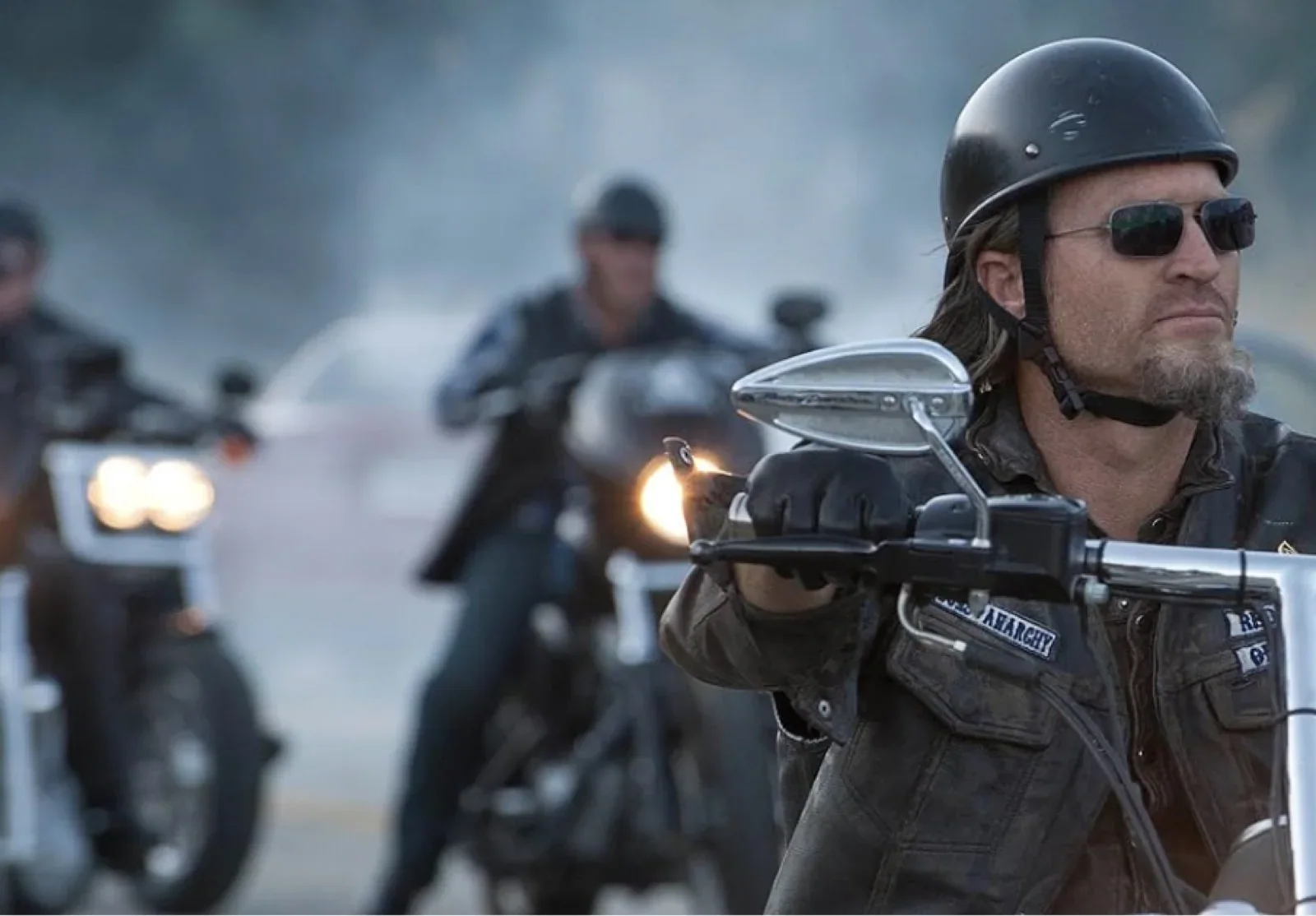
One of the show's smartest moves was recognizing that its core audience wasn't just TV viewers—it was a community. 20th Century Fox proactively engaged motorcycle clubs and biker-interest groups through online networks, planting the show's flag in the digital spaces where its target audience already gathered.
The advice: Don't try to drag your audience to you. Find out where they already hang out—whether that's Reddit threads, niche forums, or specific social platforms—and establish your presence there authentically.
Hook #2: Turn Your Showrunner Into a Superfan
While many showrunners remain behind the scenes, Sons of Anarchy creator Kurt Sutter became one of the show's most powerful marketing assets. He was an active, engaged Twitter user who interacted directly with fans. This wasn't just a celebrity tweeting into the void—it was genuine engagement that made viewers feel like insiders.
The advice: Put a human face on your brand. When your leader is visible, accessible, and genuinely engaged with the community, fans feel a personal connection that no ad campaign can replicate.
Hook #3: Create Appointment Viewing with Second-Screen Experiences
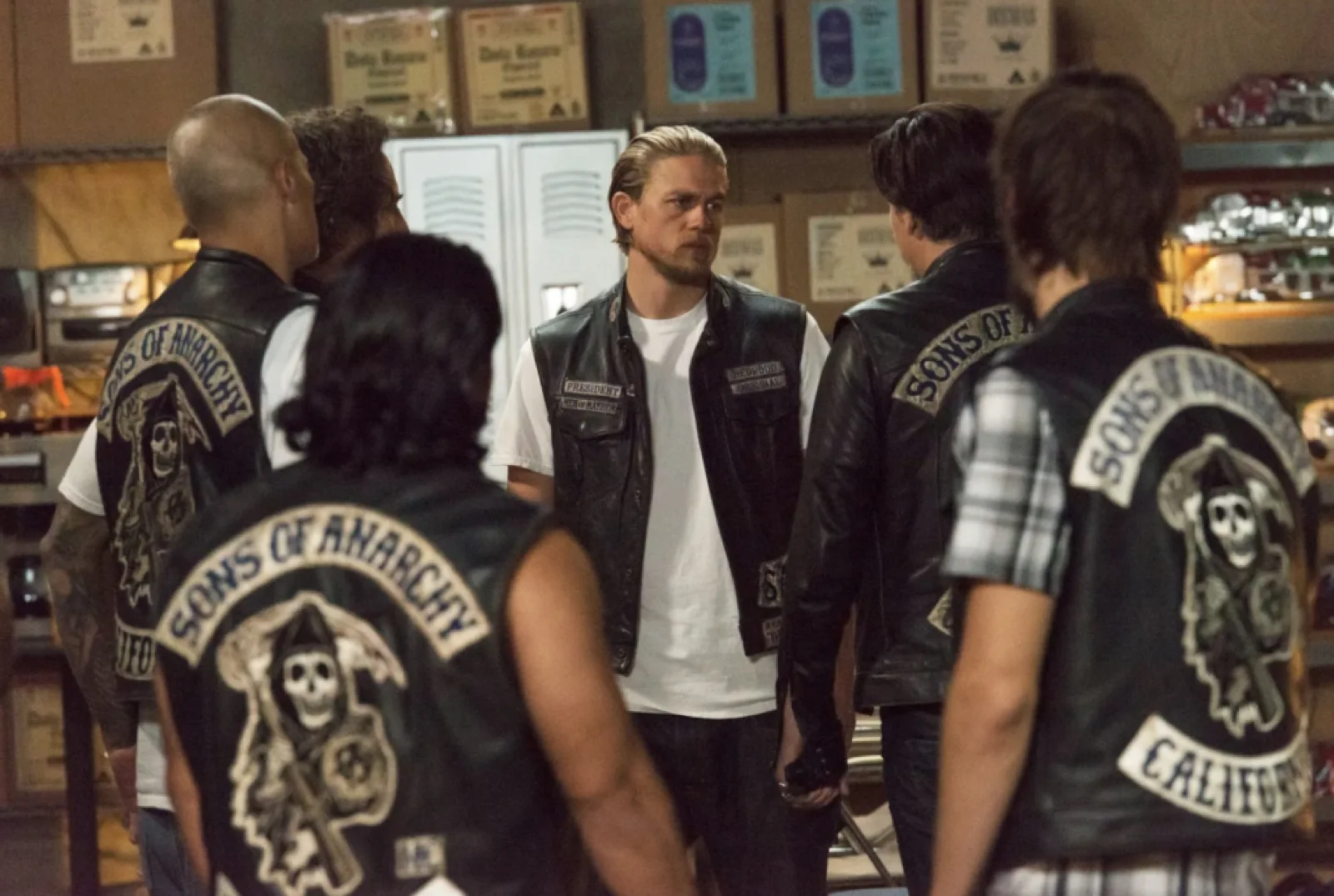
FX didn't just want people to watch Sons of Anarchy—they wanted them to participate. The network ran #AnarchyAfterword live after each episode, giving fans a place to ask questions and get their "fan fix" immediately following the show. They also advertised weekly featured hashtags both on the show's website and via on-air prompts.
The show's second-screen app took this even further. Downloaded more than 425,000 times, it offered a 360-degree view of the SAMCRO clubhouse, real-time social heat maps tracking viewer tweets, and access to alternate scenes, character bios, and trivia.
The advice: Transform passive viewers into active participants. Give your audience something to do during and after your content drops—whether that's live chats, exclusive behind-the-scenes access, or interactive experiences that extend the world beyond the screen.
Hook #4: Merchandise That Tells a Story
Most shows sell T-shirts and mugs. Sons of Anarchy sold a lifestyle.
The show's consumer products strategy was, in the words of 20th Century Fox Consumer Products President Jeffrey Godsick, "a unique strategy". They started with the fan base and evolved to create products that "related to the biker culture and the essence of the story". The result? A licensing blitz that included hats, games, stationery, apparel, and—most notably—100 limited-edition Harley-Davidson motorcycles retailing at $25,000 each.
The merchandise wasn't just branded junk. Items like the SAMCRO hoodie ($49.95), Gemma's Lois Hill saddle ring ($188), and Jax's Original KD's 2120 sunglasses ($10) let fans own a piece of the show's world. An app-integrated e-commerce component tripled merchandise sales within its first month.
The advice: Don't just slap your logo on random products. Create merchandise that tells a story, connects to your narrative, and lets your biggest fans live in your world. And make it easy for them to buy—seamless e-commerce integration is non-negotiable.
Hook #5: Know That "Different Audiences" Buy for Different Reasons
Godsick noted something crucial: "There are different audiences buying the products. They range from the show's fan base to people who just like the counter-culture biker attitude to people who are weekend bikers".
This insight drove a diversified merchandising strategy. Hardcore fans bought the die-cast bikes and trivia games. Casual fans and biker enthusiasts bought apparel and accessories. And apparently, the biker gang's rabid fanbase wrote so many letters that they even needed stationery.
The advice: Your audience isn't monolithic. Segment your fans by their level of engagement and their motivations, then create products and messaging that speak to each group specifically.
Hook #6: Make Advertising Feel Like Art
For the show's fourth season promo campaign, Chicago-based Vitamin created something that felt less like an advertisement and more like a piece of art. Using hand-painted graphics combined with 3D silhouetted motorcycles, the spots captured "the style, tone and aesthetic of the show". The graphics were painted by hand, marred with cracks and scratches, then photographed stop-motion style, one frame at a time.
The result was "raw and energetic, with a hand-crafted vibe". Silhouetted riders felt "almost ghostlike," giving the campaign "such a different tone than the previous seasons".
Even the digital advertising was thoughtfully crafted. A homepage takeover for the third season premiere didn't show a motorcycle gang crashing through the page. Instead, a Sons of Anarchy-branded Zippo lighter flicked open and realistic flames consumed the page, revealing a photo of the characters hitting the open road.
The advice: In a world of cookie-cutter ads, craft matters. Whether it's hand-painted animation or a clever digital execution, distinctive creative work gets noticed. Don't just sell—transport.
Hook #7: Think Global from Day One
Sons of Anarchy wasn't just an American hit. The show had exceptional demand in the UK (14.5 times the average show), Germany, Spain, Australia, New Zealand, and the Netherlands. This international appeal informed licensing deals across multiple territories and demonstrated the power of demand data in guiding distribution and marketing decisions.
The advice: If your content has international potential, build that into your strategy from the start. Localized marketing efforts and global distribution partnerships can dramatically expand your reach.
Sons of Anarchy succeeded because its marketing wasn't an afterthought—it was a fully integrated operation that understood its audience, embraced multiple channels, and created genuine value for fans. The show's marketers didn't just sell a TV series; they sold membership in a tribe.
Whether you're marketing a show, a product, or a brand, the lessons are clear:
Know your tribe and meet them where they are.
Make your leaders visible and engaged.
Turn consumption into participation.
Sell experiences, not just products.
Segment your audience and speak to each part.
Invest in creative that stands out.
Think globally from the start.
As Kurt Sutter might say: ride hard, market harder. And it's free, bitches