In the West, a "PR pro" is a person in a sharp suit who writes press releases, manages optics, and spins crises. Alexei Balabanov, who died in 2013, wore scuffed boots, smoked heavily, and made films about chekists, cannibals, and terminal cancer. By all accounts, he was an unlikely candidate for a master of public relations.
Yet, in the chaotic, hungry Russia of the 1990s, Balabanov pulled off a PR miracle that no Madison Avenue agency could replicate. He took a small, low-budget action film shot in the grimy courtyards of St. Petersburg and turned it into the moral compass of a nation. Then, he did it again.
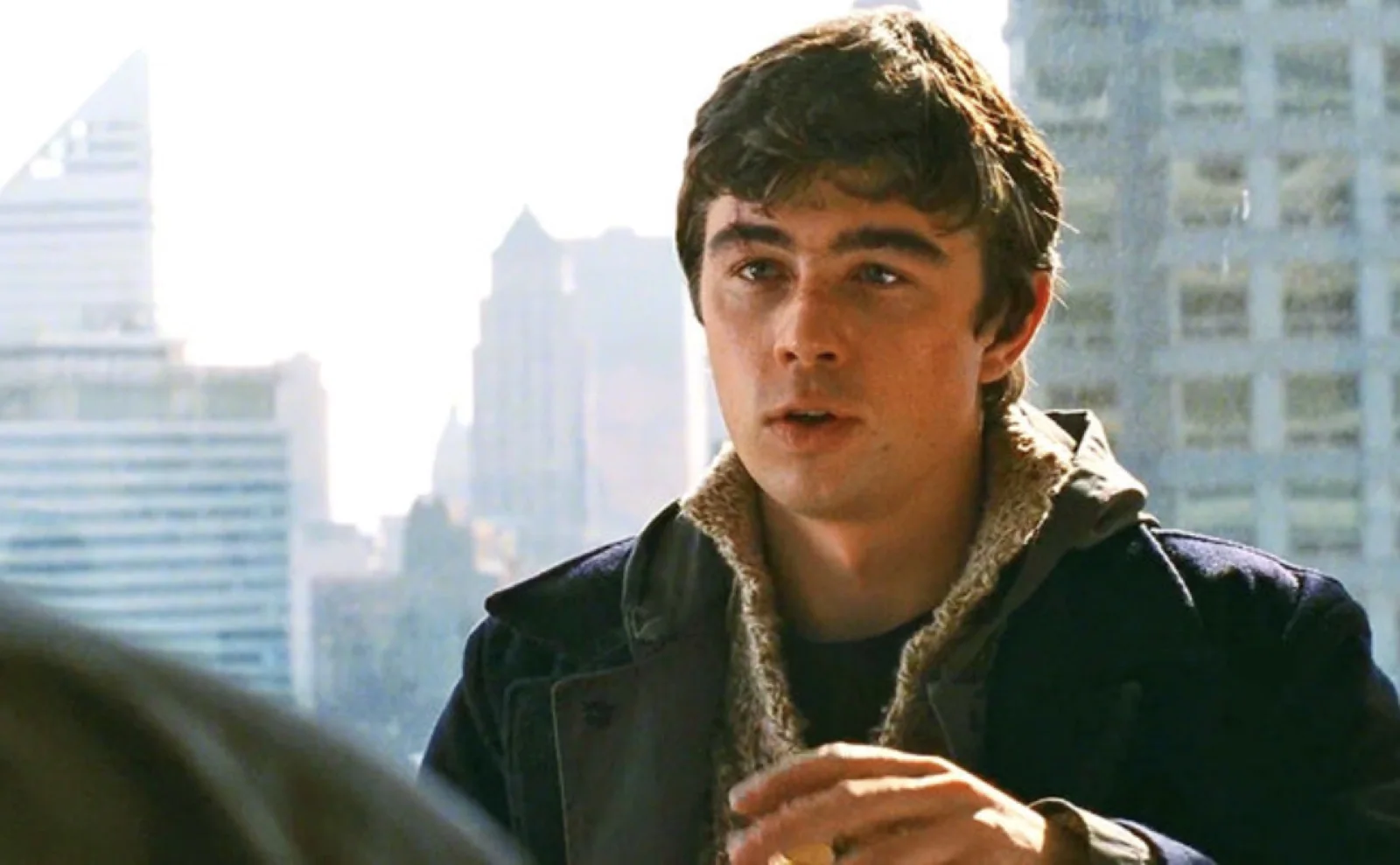
This is the story of how Balabanov became the greatest "PR Pro" of the post-Soviet era—not by manipulating the truth, but by distilling it.
The Brief: A Broken Identity
The year is 1997. Russia is a patient on life support. Oligarchs are looting the factories. The war in Chechnya is a bleeding wound. The old Soviet man is dead, and the "New Russian" is a grotesque clown in a crimson jacket. The country has no hero. It has no message. It has no brand.
Enter Balabanov. He doesn't write a mission statement. He writes a script.
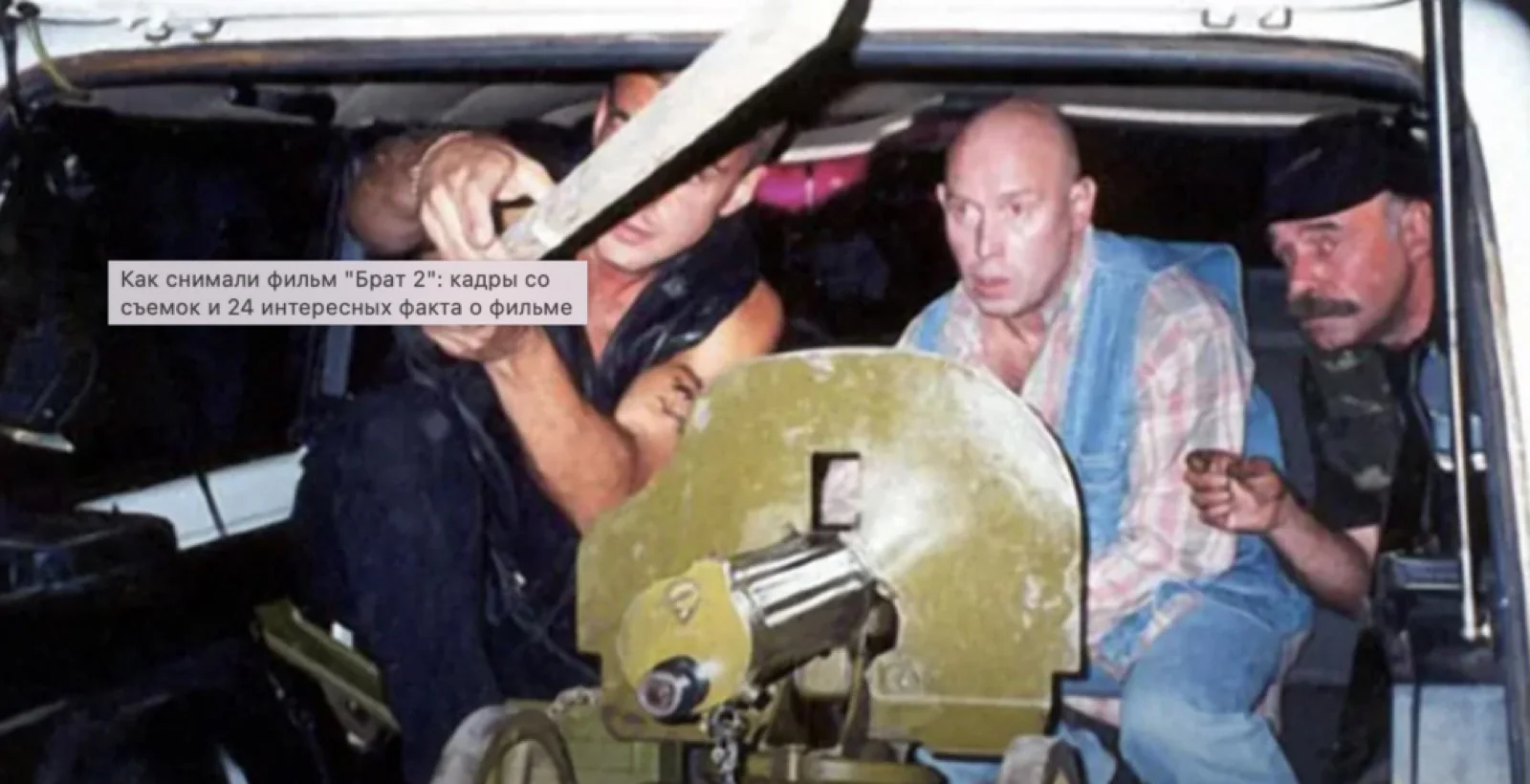
Campaign One: Brother (1997) – The Organic Launch
The "product" was Danila Bagrov, a soft-spoken, rifle-toting soldier returning from the Chechen war. He arrives in St. Petersburg, a city of classical beauty now ruled by mobsters, Tatar hitmen, and indifferent hipsters who listen to Nautilus Pompilius.
Balabanov’s PR strategy here was "Radical Honesty."
While other directors filmed Russia as either a tragic farce or a Hollywood-style fantasy, Balabanov turned the camera on the pod'ezd (the communal staircase) and the elektrichka (the commuter train). He understood that the public’s hunger was not for escapism, but for recognition.
The Genius Move: He didn't tell the audience to love Danila. He let them recognize themselves.
Danila is poor, laconic, and violent. He kills bad guys. But he also quotes the bible, gives his last penny to a beggar, and whispers "What is the power, brother? It is in the truth."
Balabanov orchestrated a cultural word-of-mouth campaign. No billboards. No TV spots. Just videotapes passed from hand to hand in kiosks and dorms. The line "Get the hell out of my tram car!" became a national meme before the internet existed.
Within two years, Brother stopped being a movie. It became an ideology. The "Bandit St. Petersburg" aesthetic became fashion. Danila’s gray sweater became a uniform. Balabanov had successfully "rebranded" the lost, angry youth as a noble warrior. Cult status: Achieved.
Campaign Two: Brother 2 (2000) – The Export Crisis
The sequel is where Balabanov proved he was a genius, not a one-hit-wonder.
He took the budget from the new oligarchs (the very people he despised) and did the riskiest thing in PR: He went global. He took Danila to America. Specifically, to Chicago.
The Strategy: Defensive Nationalism.
In Brother 2, Danila confronts a Russian hockey player who has "sold out" to an American agent. The famous line is delivered: "Tell me, what is the strength in? Is it in money? Here, my brother, money is power. But I saw a time when there was no money, and the power was still there."
Balabanov was playing 4D chess. He knew the Russian viewer in 2000 was humiliated. The IMF had crushed them. The dollar was a god. So, Balabanov gave them a hero who goes to the US, finds the corruption, shoots the bad guys, and brings the wayward brother home.
The Tactic: He turned a low-budget action film into a geopolitical manifesto.
The scene where Danila walks through a Chicago street market and sees cheap Russian matryoshka dolls? That is PR positioning. It says: "The West has commodified our soul, and we want it back."
The sequel was cruder, louder, and more problematic. But it worked. Brother 2 was the last massive cultural event of the Yeltsin era. It solidified the "cult" into a permanent structure.
Why the "Brand" Survived (And Gruz 200 Doesn't Fit)
Balabanov knew that a cult needs fuel. He provided it via Brother and Brother 2, but he also knew the danger of repeating the formula.
Gruz 200 (2007) was the anti-PR move that proved his genius. It was a horrifying, unwatchable (by mainstream standards) film about the Soviet-Afghan war. It had no hero. It had no moral. It was pure, crushing blackness.
Why is that a PR move?
Because Balabanov refused to cash in. He refused to make Brother 3. By walking away from the "franchise" and making a film that actively repelled audiences, he prevented the brand from becoming stale. He kept the Brother films frozen in amber, untouched by commercialization.
The Legacy of the "Pro"
Why are Brother and Brother 2 still cult films 25 years later? Why do soldiers in Donbas today wear "I am Brother" patches? Why do street artists still paint Danila’s face on walls?
Because Alexei Balabanov was a Public Relations professional of the highest order. He understood the core rule of propaganda and branding: You don't create a myth by telling lies. You create a myth by finding the quiet, ugly truth that everyone is afraid to say out loud, and then putting it on a screen with a gun in its hand.
He took the fear, the poverty, and the national inferiority complex of post-Soviet Russia, and he reframed it as "simplicity," "loyalty," and "strength."
He didn't hire a press agent to announce that Danila was a hero. He just let the country watch the movie, nod, and say, "Yeah. That’s us."
And in the brutal, bloody world of Russian cultural history, that is the most brilliant PR campaign ever run.