The Hand’s Guide to Reputation, Power, and Survival
In the brutal, whisper-filled corridors of Westeros, the Hand of the King (or Queen) holds one of the most dangerous jobs in the Seven Kingdoms. They are not the monarch, but they speak with the monarch’s voice. They shape policy, manage scandals, and often take the fall when things go wrong. Sound familiar?
Welcome to public relations in 2026.

While we don’t deal with White Walkers or dragon fire (usually), the modern PR pro operates in an environment just as volatile: cancel culture, 24/7 news cycles, stakeholder revolts, and the ever-present threat of a "leaked" Slack message. Here are the essential lessons from the Hands of Westeros—the good, the bad, and the treasonous.
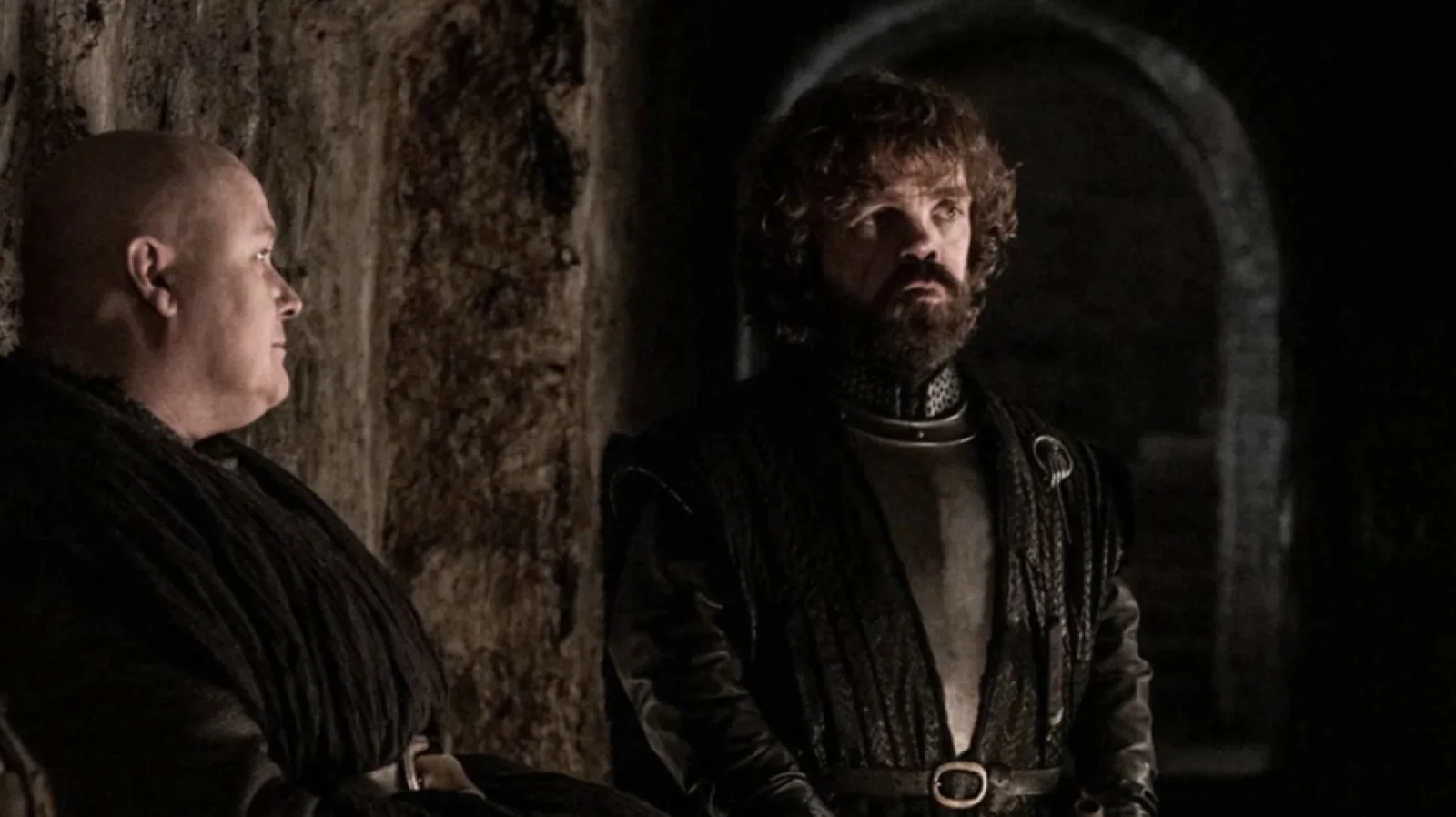
1. Tyrion Lannister: Know Your Principal’s Blind Spots (And Your Own)
Tyrion was arguably the most competent Hand to sit the Iron Throne’s small council. He defended King’s Landing with wildfire chains, uncovered spies, and tried to reign in Joffrey’s sadism. But he failed at one critical PR task: managing his principal’s ego.
Daenerys, his final queen, had a messianic complex. Tyrion kept advising peaceful sieges and bloodless victories. He forgot that a leader who sees themselves as a liberator cannot be seen negotiating with “masters.” His advice was tactically sound but emotionally deaf to his client’s brand.
Lesson for PR Pros: Your CEO or client doesn’t want smart advice; they want resonant advice. If your leader’s personal brand is built on disruption or purity, don’t advise caution. Instead, frame your counsel in their language. Tyrion should have told Dany: “A merciful conquest builds a dynasty; a bloody one builds a rebellion.” You don’t change the client; you translate the risk into their own value system.
2. Ned Stark: Honor Is Not a Crisis Strategy
Poor Ned. He arrives in King’s Landing, discovers the Lannister incest, and decides to handle it with the transparency of a Boy Scout. He warns Cersei of his intentions (giving her time to strike), refuses to compromise with Renly (alienating a powerful ally), and trusts Littlefinger (a known liar). Result: public confession of treason, execution, and a continent-wide war.
Ned confused personal honor with organizational security. He believed that the truth would automatically win the day. In PR, the truth is powerful, but timing, framing, and coalition-building are more powerful.
Lesson for PR Pros: Never issue a press release or make an accusation without first securing your flank. Identify your Littlefingers (leaks, hostile board members) before you move. A crisis is not a court of law; it’s a battle for narrative. Be ethical, yes, but be strategic. Ned could have lived to fight another day—and expose Cersei properly—if he had simply postponed his confrontation.
3. Tywin Lannister: The Brand Is Fear, But Fear Does Not Last
Tywin was the gold standard of Hands. He ended the War of the Five Kings, orchestrated the Red Wedding, and ran a kingdom so tight you couldn’t slip a stiletto between its ledgers. His PR playbook was ruthless: make the Lannister name synonymous with annihilation. “The Rains of Castamere” wasn’t just a song; it was a brand recall strategy.
But here’s the hidden cost: fear-based reputation management has a shelf life. Tywin died on a toilet, killed by the son he humiliated. Within a generation, the Lannister brand collapsed. No one was loyal; they were merely terrified.
Lesson for PR Pros: A punitive crisis response (lawsuits, NDAs, smear campaigns) works in the short term. But it erodes internal culture and external trust. In 2026, audiences can smell a tyrant. Build a reputation on competence and fairness, not just intimidation. Tywin won every battle and lost the war for his legacy.
4. Davos Seaworth: The Truth Teller with a Soft Touch
Finally, a positive example. Ser Davos, the Onion Knight, served Stannis Baratheon (a terrible client) and later Jon Snow. Davos had no formal strategy training—he was a smuggler. But he had the two irreplaceable PR virtues: candor and empathy.
When Stannis demanded blood magic and dark sacrifices, Davos said, “If you do this, you are no king. You are a butcher.” He didn’t flatter. He told the truth about how the public (and the Gods) would perceive the act. And he did it with loyalty, not arrogance.
Lesson for PR Pros: The most valuable thing you can give a leader is the draft they hate but need to read. Your job isn’t to make the client feel good; it’s to make them look good over the long term. Davos understood that a king’s reputation is his only currency. When you see a looming disaster—a tone-deaf tweet, a greenwashed product launch, a toxic policy—channel your inner Onion Knight. Speak plain truth. Then offer a better path.
5. The Collective Mistake: Forgetting the Smallfolk
Every Hand failed, at some point, to manage the most important stakeholder: the public. Tywin ignored the High Sparrow until it was too late. Tyrion alienated the smallfolk during the Battle of the Blackwater (wildfire impresses no one whose home just burned). Even the beloved Hand, Jon Arryn, was killed for investigating the truth, not for improving the lot of the common people.
In Game of Thrones, the nobles plot, but the peasants revolt. The same is true in business. Your investors and board matter, but your customers, employees, and the general public decide your longevity.
Lesson for PR Pros: Audit your stakeholder map monthly. Are you so focused on C-suite politics that you’ve forgotten your brand’s grassroots perception? A reputation built solely on analyst ratings will crumble during the first viral boycott. The Hand who listens to the smallfolk—who monitors social sentiment, answers complaints, and humbly corrects course—lasts longer than the one who only attends council meetings.
You Will Die. But Your Reputation Might Live.

Every Hand in Game of Thrones either dies, is exiled, or resigns in disgrace. It’s a thankless job. But the best of them—the Tyrions, the Davoses—left behind a narrative of competence and integrity. The worst (looking at you, Qyburn) are remembered as monsters or fools.
As a PR professional, you will never be the protagonist. You are the architect of their glory and the shield against their ruin. Your lesson from Westeros is this: Manage the narrative, but never forget that the narrative has a conscience. Advise with courage, hold the line on ethics, and always—always—know where the exits are.