The Social and Marketing Phenomenon of Kruder & Dorfmeister
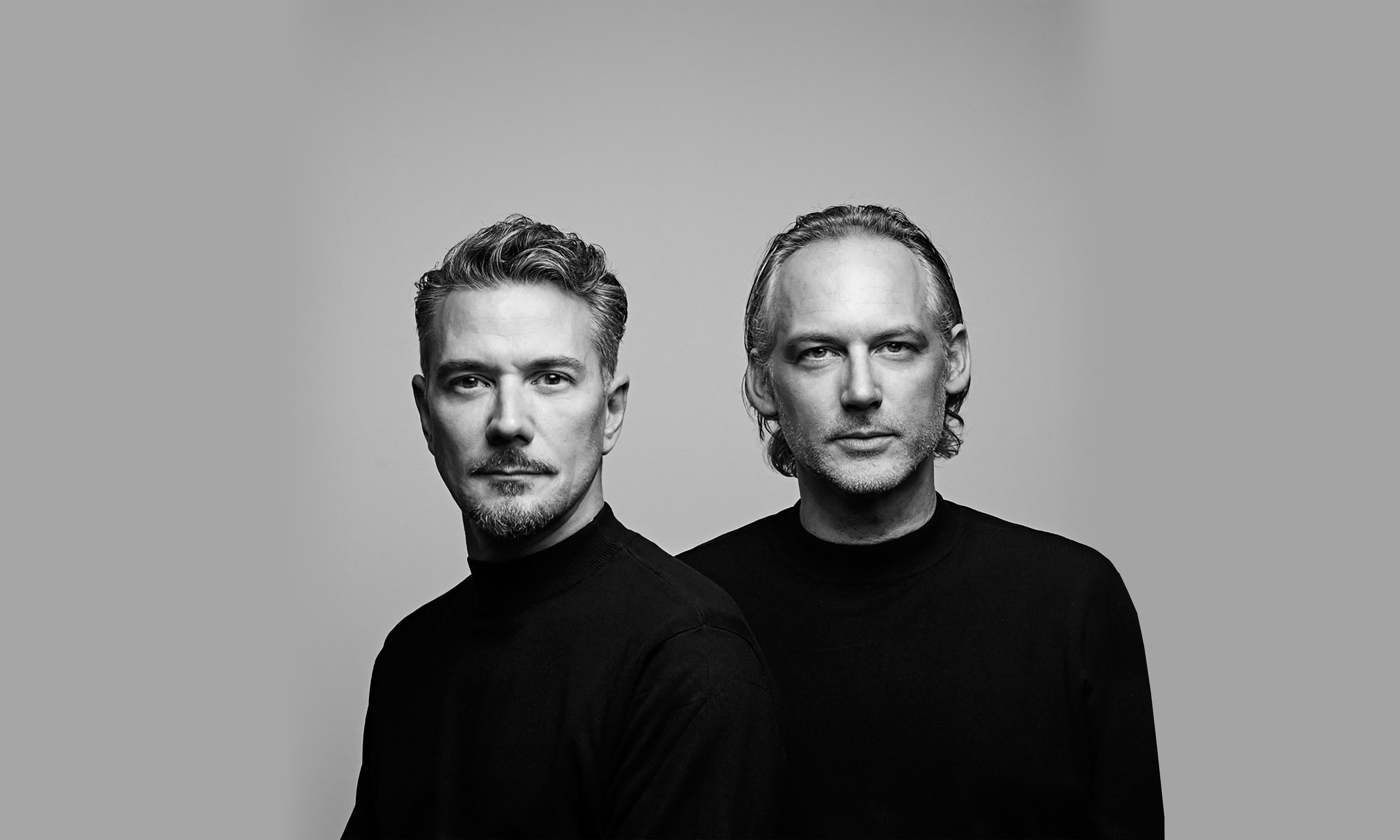
In the mid-1990s, as rave culture peaked with thumping techno and ecstatic energy, a quieter counter-movement emerged from the bedrooms of Vienna. Two Austrian producers—Peter Kruder and Richard Dorfmeister—crafted a sound that would redefine nightlife, after-parties, and lounge culture worldwide. Their music wasn’t about dancing till dawn; it was about the comedown, the conversation, the sophisticated unwind. What began as a DIY experiment became one of electronic music’s most unexpected commercial and cultural successes: the Kruder & Dorfmeister (K&D) phenomenon.
The Bedroom Origins: From Vienna to Global Vibes
Kruder and Dorfmeister met in the early 1990s in Vienna’s thriving (if underground) electronic scene. Armed with little more than two Akai samplers, a Roland Space Echo delay, and a dusty mixer, they started experimenting in Kruder’s apartment—hence the track “Original Bedroom Rockers” on their debut.
Their 1993 EP G-Stoned, released on their own G-Stone Recordings label, featured hypnotic grooves like “High Noon.” The cover art deliberately nodded to Simon & Garfunkel’s Bookends—a cheeky statement that this was music for grown-ups, not just club kids. UK tastemaker Gilles Peterson spun “High Noon” on his BBC radio show, and suddenly the duo went from local heroes to international remix requests.
Vienna provided the perfect backdrop: a city with deep musical history (from classical to Falco’s pop) but ripe for something new. K&D blended dub, trip-hop, hip-hop breaks, jazz, and rare groove into a mellow, bass-heavy downtempo style that felt organic and cinematic. It wasn’t background music—it was immersive, emotional, and effortlessly cool.
The K&D Sessions: A Marketing Masterstroke
The real explosion came in 1996 with DJ-Kicks: Kruder & Dorfmeister on !K7 Records, followed by the landmark The K&D Sessions in 1998. The latter was a double-CD remix compilation featuring their reworkings of tracks by Massive Attack, Depeche Mode, Madonna, Roni Size, and others—plus a couple of originals. It wasn’t a traditional album; it was a carefully curated journey, mixed like a perfect DJ set for late-night listening.

Sales figures tell the story: The K&D Sessions sold over a million copies worldwide, with DJ-Kicks adding hundreds of thousands more in Europe alone. For an instrumental, non-single-driven electronic project with zero major-label hype, this was extraordinary.
The marketing genius? They did almost nothing traditional. No big ad campaigns. No radio singles. No chasing charts. Instead:
- DIY independence: They kept control via G-Stone Recordings and partnered smartly with !K7 for distribution. Major labels came calling; they mostly said no.
- Remix culture as a Trojan horse: High-profile remixes for pop giants created buzz without compromising their sound.
- The power of the mix album: In the pre-streaming era, these compilations became gateways for new fans. DJs, record shops, and word-of-mouth did the rest.
- Brand as community: G-Stone wasn’t just a label—it supported friends and side projects (Tosca for Dorfmeister, Peace Orchestra for Kruder), building a “Viennese sound” ecosystem.
Their music spread virally through chillout compilations (ironically, they were later criticized for how heavily their style was copied in “lounge” CDs). Tapes and CDs were passed hand-to-hand. It was pre-internet virality at its finest.
The Social Phenomenon: Birth of Chillout Culture
K&D didn’t just sell records—they shaped a lifestyle.
Their sound became the soundtrack to chillout rooms in clubs worldwide. Ravers exhausted from the main floor would retreat to dimly lit lounges where K&D remixes played softly, creating a sophisticated antidote to hardcore techno. Lounge bars in Ibiza, New York, Tokyo, and beyond adopted the vibe. Café owners installed DJ booths. The music turned post-rave comedowns into cultural events.
Socially, it bridged worlds:
- Post-rave sophistication: It appealed to hip-hop heads, jazz fans, and electronic explorers who wanted depth over volume.
- Global unity through vibe: As Kruder and Dorfmeister have noted, their music is “universal body language”—felt more than analyzed.
- Vienna’s comeback: After Falco, Austria had another global musical export. K&D became unofficial ambassadors for a cool, modern Austrian identity.
The phenomenon had a downside: oversaturation. Their signature slow breaks, deep bass, and atmospheric textures were endlessly imitated on thousands of chillout compilations. Success bred criticism—“We were criticized because our music was so successful,” Dorfmeister later reflected. Yet that very ubiquity proved its cultural penetration.
Legacy: Timeless, Not Trendy
Kruder & Dorfmeister never chased trends. They paused the duo project in the 2000s for side work but returned stronger. In 2020 they released 1995, unearthing early recordings that captured their formative magic. They’ve since toured The K&D Sessions Live—performing the entire remix album with a live band, visuals, and fresh energy—celebrating its 25th anniversary into 2025 and beyond.
Today, in the streaming era, their influence endures in playlists labeled “Downtempo,” “Lounge,” and “Chill Hits.” Their story is a masterclass in organic growth: stay true to your bedroom-studio vision, let the music do the talking, and build a scene rather than chase one.
Kruder & Dorfmeister didn’t just release music—they engineered a cultural shift. In an age of algorithms and instant virality, their pre-digital success reminds us that the best phenomena happen when the vibe feels right, the timing is perfect, and the sound is unmistakably yours.


What’s your favorite K&D moment? Drop it in the comments—maybe it’s “High Noon,” a remix from Sessions, or that perfect lounge memory it soundtracked. The chillout revolution is still playing. 🎧