How Pornography Has Shaped Marketing – From Pin-Ups and Playboy to OnlyFans

The adage “sex sells” isn’t just a slogan — it’s a century-old marketing truth that traces its roots directly to erotic imagery, adult entertainment, and the porn industry’s cultural penetration. From wartime morale boosters to glossy magazines and today’s creator-economy platforms, pornography has repeatedly proven its power to capture attention, drive sales, and redefine consumer desire. This article explores that influence through iconic milestones: pin-up culture, Playboy, Penthouse, Hustler, the gritty world depicted in HBO’s The Deuce, and the digital explosion of OnlyFans.
The Pin-Up Foundation: Sex as Morale — and Sales — Booster

Pin-up girls emerged in the late 19th and early 20th centuries as illustrated “calendar girls” and theatrical posters, but they exploded during World War II. Artists like Gil Elvgren and George Petty created cheeky, idealized images of women in military or playful poses that soldiers pinned inside lockers, barracks, and even airplane noses. Companies quickly spotted the commercial potential: Coca-Cola, Brown & Bigelow calendars, and countless ads used these alluring figures to sell everything from soft drinks to stockings. “Sex sells” became explicit in postwar advertising — beautiful women were positioned as accessories to cars, appliances, and luxury goods, promising male consumers enhanced status and desirability.
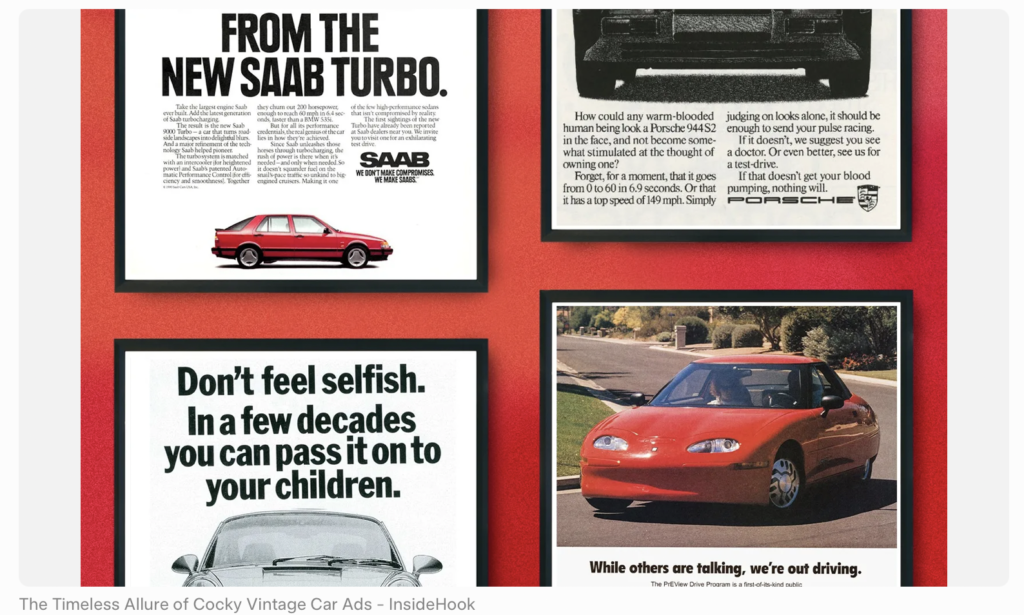
This era laid the groundwork: erotic fantasy wasn’t hidden in back alleys — it was mainstreamed into everyday consumerism, normalizing the use of sexualized imagery to grab eyeballs and wallets.
The Magazine Revolution: Playboy, Penthouse, and Hustler Normalize the Fantasy
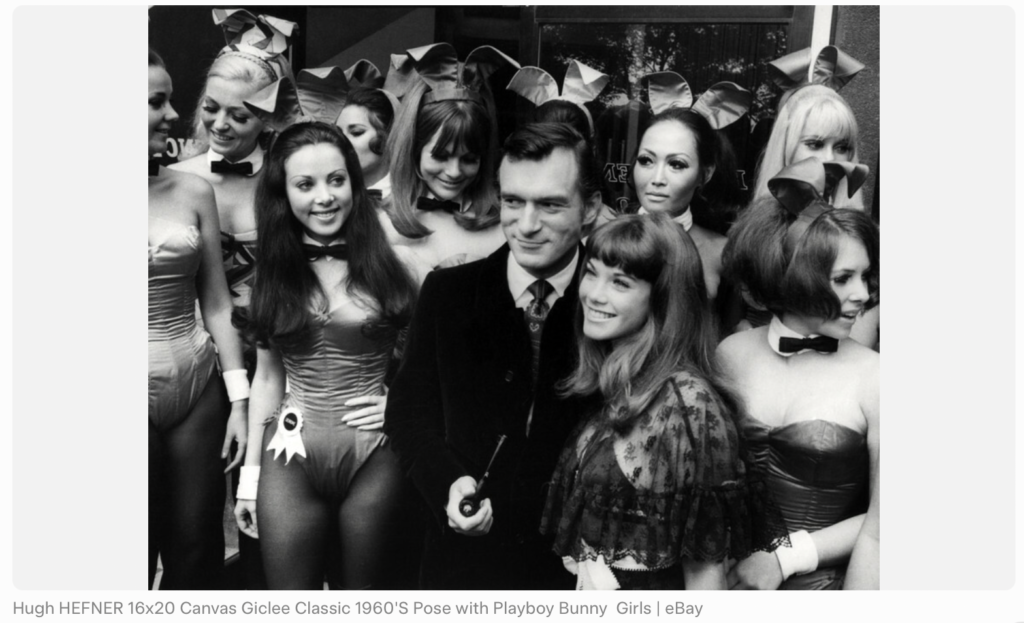
Hugh Hefner launched Playboy in 1953 with Marilyn Monroe as the first centerfold, deliberately pairing soft-core nudity with highbrow articles, jazz recommendations, fashion spreads, and luxury ads. The message was revolutionary for its time: “Nice girls like sex too,” and sophisticated men could enjoy both. Hefner’s “What sort of man reads Playboy?” campaign showed affluent, cultured males surrounded by eager women — a direct pitch to advertisers that associating products with sexual success worked.
Penthouse (launched 1965 by Bob Guccione) and Hustler (1974 by Larry Flynt) pushed boundaries further with more explicit photography and gonzo-style content. These magazines didn’t just sell copies — they sold a lifestyle that advertisers eagerly bought into. Car ads in Playboy featured provocative women draped over vehicles; consumer goods promised “sex appeal.” The trio proved porn could be packaged as aspirational, moving it from seedy margins to middle-class coffee tables and fundamentally influencing how brands used desire in marketing.
The Deuce Era: From Street Hustle to Billion-Dollar Industry — and Cultural Saturation

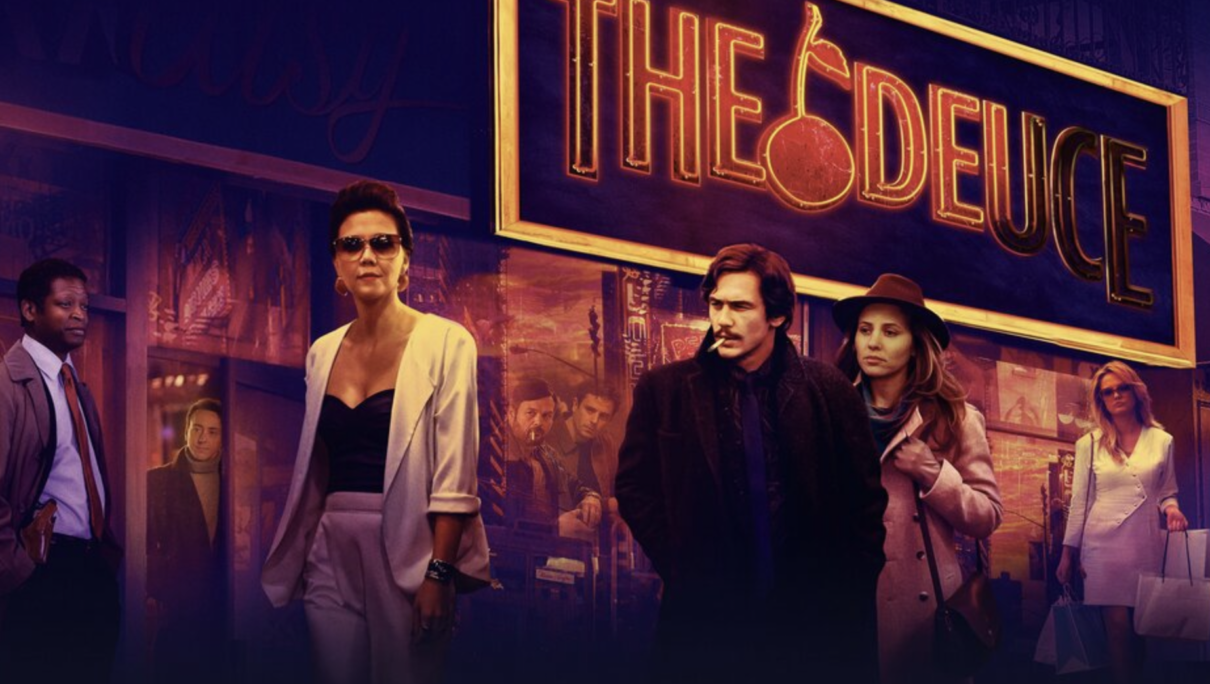
HBO’s The Deuce (2017–2019) dramatized the raw 1970s–80s Times Square porn boom — peep shows, massage parlors, mob control, and the shift to home video. Creators David Simon and George Pelecanos showed how this underground economy mainstreamed: what began as gritty street vice became a sophisticated industry that altered advertising, fashion, beauty standards, and interpersonal expectations. Porn “changed the way men look at women, the way women respond,” as one character arc illustrated. By the 1980s, pornographic aesthetics influenced mainstream media — from music videos to car commercials — proving sex wasn’t just selling products but reshaping culture itself.
OnlyFans: The Creator Economy’s Porn-Powered Revolution

Launched in 2016, OnlyFans flipped the script. Instead of centralized studios, it empowered individual creators — mostly women selling intimate or explicit content directly to subscribers via subscriptions and tips. During the pandemic, it exploded: users spent over $5 billion in 2022 alone, with the platform generating billions in revenue while taking a 20% cut. Top creators earn tens of millions; the average is far less, but the model democratized porn and birthed a new influencer archetype.
OnlyFans didn’t just monetize sex — it turbocharged marketing tactics. Creators cross-promote on Instagram, TikTok, and X (formerly Twitter), using teaser content to drive paid subscriptions. Brands now collaborate with OnlyFans stars for campaigns, recognizing their authentic, engaged audiences. “Sex sells, again,” headlines note, as risk-averse advertisers return to provocative imagery infused with creator-economy authenticity. The platform’s success has even inspired pivots toward non-adult creators, yet its core remains the proven profitability of erotic content.